Best Fencing Contractors: From Preparation to Last Walkthrough
A fencing is just one of those jobs that looks simple up until you endure it. The posts land in the dirt, the rails rise, the panels click into location, and instantly you understand you are taking care of water drainage, building lines, neighborhood regulations, material service warranties, and next-door neighbors simultaneously. That is why the most effective fencing contractors don't start with the initial board. They begin with planning, dimensions, and the uninteresting information that avoid pricey rework.
If you are employing a fencing staff for a new install or changing an aging one, you desire a procedure you can trust licensed fencing contractor from the first day via the last walk-through. Below is how the very best fencing company approach the job, what to confirm before any individual digs, and what a strong staff proves at the end when the last screw is driven and cleaning is done.
Start with the actual function of your fence
The fastest method to select the wrong fence is to skip the reason you want one. People generally begin with "personal privacy," "protection," or "curb appeal," after that stop there. In practice, the function establishes product selection, elevation, spacing, and also the hardware details.
Privacy fences demand something different than wind-resistance fencings. If you obtain solid gusts, eviction and post anchoring details matter greater than the appearance of the boards. If you have pets, you require to think of the lower clearance and how conveniently an animal can press via a space. If you intend to block road noise, you will certainly respect solid infill, panel positioning, and how well the fencing seals at corners and ends.
When I've aided house owners think this through, the beneficial shift is to convert "function" into restrictions. As an example: "I need privacy from the neighbor's second-story window, and I remain in a wind hallway." That solitary sentence points toward a taller, much more strong design and stronger bracing. "I want a dog-proof barrier, and my backyard inclines near eviction." Currently you are preparing for grade modifications and potentially a gate that can take care of uneven ground.
The best fencing installers ask these inquiries early since it affects whatever that comes after. You need to anticipate the same.
Measure and map, not simply measure
Most fence errors are birthed from a couple of issues: a poor layout or a failure to make up just how the land acts. Setting out a fencing is not just measuring tape mathematics. It is geometry, slope, and just how your building corners in fact line up in the genuine world.
A top quality professional will confirm a few items prior to they get products or schedule excavation:
- Where the fence line is about your existing frameworks, driveways, and landscaping.
- How the ground modifications grade, especially near gates and at corners.
- Any most likely interference points like irrigation lines, patio area sides, old concrete residues, or hidden utilities.
You can do a standard measure yourself, yet you will still take advantage of letting the professional generate an appropriate format plan. If a firm deals with format as optional, that is a warning. It is normally the part of the work you never ever see once more, however it is the component that figures out whether the entire installment looks right and functions correctly.
One functional note from real installs: lawns hardly ever stay flat. When you have a slope, a fencing has to either tip down progressively or adhere to a contour with pickets and panels changed. Some materials look much better with a stepped profile, while others can be made to comply with grade much more smoothly. The "straight line" you see on a plan could not look straight in person as soon as articles fulfill the ground.
Confirm home lines and local policies before work starts
This is the part where homeowners occasionally wish the service provider will certainly "manage it." The most effective fencing contractors do deal with a lot, however home lines and authorizations are not optional. Guidelines vary extensively relying on location, great deal arrangement, and fence type, but the procedure is similar almost everywhere:
- Verify the building line. That might involve a study or referencing a current whole lot study you currently have.
- Check zoning or local needs for fence elevation, positioning, and often material.
- Address any type of restrictions from home owner organizations or action commitments if they apply.
Even if an authorization is not required for your certain fencing type, there might still be obstacle rules, height limits, or visibility constraints at edges. Gates are additionally commonly regulated. A crew that skips this study can produce a situation where you have a finished fencing you can not legally keep.
If you do not have a study, ask the specialist exactly how they will manage line verification. Some firms can function from existing marked borders, but you want clearness on what they will do if the borders are uncertain. The uncertainty should not be parked in your lap after the initial article is set.
Choose products based on weather, maintenance, and expectations
Material choice is where you will certainly see the largest difference in between a "good enough" mount and a genuinely well intended one. Several home owners shop by look alone. That can benefit low-stress problems, yet many lawns have at the very least one issue, like sunlight direct exposure, seaside salt air, freeze-thaw cycles, or heavy rain.
Here is the reality of the compromises:
- Wood looks natural and can be mounted in several styles, but it demands appropriate securing, discoloration, and compatible hardware. If a specialist utilizes generic fasteners or ignores end-grain securing, you will certainly feel it later in premature wear.
- Vinyl is commonly marketed as maintenance-free, and it can be, however the quality of the system matters. Set up information like article anchoring, spacing, and correct assembly identify whether it holds up easily over time.
- Aluminum often tends to supply a long service life with fairly low maintenance. Still, it is not unsusceptible to damage from reckless landscape design work or heavy effects. If you want safety and security, aluminum style issues, not just the product tag.
- Chain-link is resilient and reliable, and it is commonly an excellent option for animals or budget-conscious safety. Still, the tensioning and gateway equipment establish whether it remains limited and functional.
You can have the best-looking fence the neighborhood and still be sorry for the choice if it does not match your environment. A good professional will chat through maintenance reasonably. If you hate discoloration, ask just how they would certainly manage timber durability or whether your design would certainly be much better suited to a various product. The best fencing company conversations are straightforward about what you will actually maintain.
Gates are a system, not a single piece
Gates look simple when they are hanging from two joints and a lock, however they are where fences either do or fall short. The gate is a relocating structure, and it needs alignment, clearance, solid framing, and hardware that matches your climate.
Common gate concerns consist of:
- Sagging because of undersized articles or poor bracing.
- Latch troubles since eviction does not close squarely.
- Clearance voids that let family pets slip through or produce grab points.
- Uneven ground bring about a gateway that scuffs or binds.
When a service provider designs a gateway, they should clarify just how they will certainly take care of blog posts, securing depth, and how the lock and hinges will certainly be adjusted after setup. If a gate will certainly be near an incline, you need to anticipate needing thoughtful grading or a layout that represents irregular ground.
I've enjoyed crews who were quick with boards invest inadequate time on gate planning. They determine for looks, then the gate binds after a week. That is why the very best fencing installers deal with gate building and construction as component of the structural strategy. They do not treat it as an afterthought.
Ask how they secure blog posts and manage rot risk
Post anchoring might be the least attractive part of a fence, however it is the core of sturdiness. Articles hold the fence line, withstand wind loading, and identify for how long the structure stays plumb.
A professional should describe their strategy to publish openings, deepness, backfill, and any kind of protective measures versus rot. Specific requirements can differ based on material, dirt conditions, and local criteria, however you must still be able to comprehend the logic:
- How deep are the openings generally, and does it transform with soil kind or frost conditions?
- What fill and compaction approach do they use?
- Do they utilize post caps, linings, or therapies that minimize dampness intrusion?
- How do they stop post wobble prior to the rails and panels go on?
If a business will certainly not talk via anchoring, you are missing one of the most crucial durability aspect. You do not have to memorize technical terms, however you do need quality that they are not guessing.
Also inquire about the sequence. A fencing set up that moves as well rapidly can leave articles insufficiently stabilized prior to rails fill the framework. The end outcome may look excellent on day one and loosen over the following season.
Permits, energies, and accessibility: the behind the curtain details
Before digging, the very best fencing contractors think of what else is below ground and what else will certainly impact access. You do not want somebody beginning excavation and after that finding utility disputes. Procedures differ by region, but utility marking is critical.
A liable contractor will certainly collaborate with you on accessibility to the lawn and any type of needed scheduling. If you have entrances that constrict devices activity, tell them early. If you have vulnerable landscaping, lawn sprinkler heads, or watering areas, point those out. A staff that arrives and "figures it out" right away typically costs you money and time.
This is one factor it matters that you employ. The high quality of communication affects the whole process, from safeguarding your residential or commercial property to avoid delays.
A reasonable timeline, and what changes it
Fence timelines rely on weather condition, material delivery, and site problems. A lot of small domestic fences can be completed within a few days when the format is approved. Longer timelines generally originate from problems like:
- delayed licenses or approvals
- material backorders
- unusually difficult access
- soil problems that slow down excavation
- weather that influences setting and treatment times
The best fencing company offers you a timeline range, then explains what could press it. They do not deal with rain as a reason, they treat it as a factor that influences organizing and post-setting conditions. If they can not provide any type of price quote or they keep relocating the goalposts without description, that's a planning trouble, not simply an organizing inconvenience.
What a high quality installation day looks like
When set up day arrives, you intend to see control and treatment. The best fencing installers begin with a format verification on-site. They confirm endpoints, edges, and any type of shifts at quality. Then they mark blog post areas and inspect that the line matches the plan and your expectations.
During the set up, watch for these indications of a professional process:
- The fence line remains constant, with panels or rails lined up without a "bounce" in between sections.
- Posts are established plumb and braced as needed before rails and panels are attached.
- They right quality decisions before the structure is totally constructed, not after.
- Brackets and bolts look deliberate, not improvised.
- Cleanup takes place continuously, not simply at the end.
If you are home during the install, it's fine to ask inquiries. A good service provider can clarify what they are doing and why. You do not desire someone that gets defensive or stays clear of specifics.
Also, take note of how they shield your site. Materials, devices, and particles ought to be managed. A fence project is much easier to forget while it's happening, but you will remember the consequences if they leave a mess.
Finishing job is not cosmetic, it is functional
A fence is refrained from doing when the last panel is connected. Ending up work impacts long-lasting performance, appearance, and whether the fencing stays weather-ready.
Finishing details consist of:
- Proper cut ends and whether wood, vinyl, or steel parts are secured or topped appropriately.
- Even spacing and constant positioning throughout sections.
- Gate latch alignment and smooth operation.
- Touch-up paint or staining where needed.
If the fence is timber, inquire about the finishing plan. The kind of tarnish or sealer made use of, and whether it is used in a regulated procedure, issues. Some teams rush through completing because they prepare to go home, and that can reduce the life expectancy of the fence face.
If the fencing is metal or light weight aluminum, verify if protective finishes are complete and regular. Chips and scratches during transport and setup should be resolved. If it is vinyl, validate the system is mounted per producer support and that panels are not pushed into inadequate alignment.
The best fencing contractors recognize that ending up is part of quality assurance, not an optional add-on.
The final walkthrough: what you need to inspect before they leave
This is where you protect on your own. A last walkthrough is your last possibility to catch concerns while the team is still on-site and the corrections are easiest.
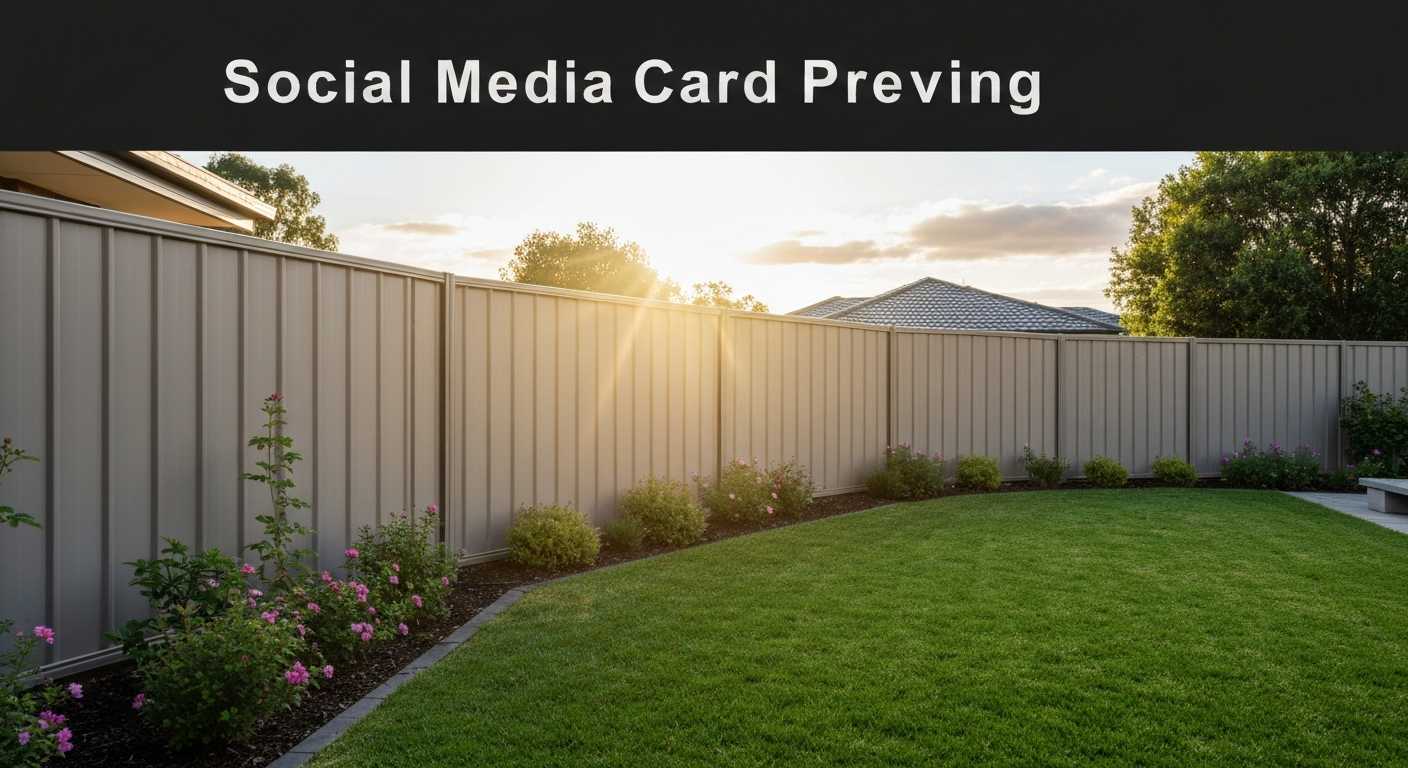
The goal is not to nitpick. It is to validate the fence features, looks directly, and matches the agreed strategy. Take your time and walk the boundary. Take a look at the fencing line from different angles. If possible, inspect it in daylight from the road side and from the yard side.
Here is a brief walkthrough checklist that benefits nearly any type of fencing type:
- Confirm the fencing line matches the agreed layout, with edges and transitions consistent.
- Test gate procedure, seeing to it it latches easily and gets rid of the ground without binding.
- Check blog post spacing, panel placement, and visible gaps that might impact personal privacy or pet safety.
- Inspect fasteners, caps, and completing touch-ups for protection and consistency.
- Review the workspace cleanup, consisting of elimination of particles and any remaining materials.
A professional who stands with you during this evaluation and reacts to searchings for skillfully is typically the professional that cares about their credibility. If they hurry you through or reject problems promptly, you might be looking at a pattern.
How to evaluate quotes without getting entraped by price
Price issues, however it is not the only number you need to contrast. Fencing proposals can look similar while concealing really different assumptions about products, labor, article anchoring, and finishing quality.
When you ask for quotes, request for quality in ordinary language. A well-written quote must specify the products, approximated amounts, fencing style, gate count and dimension, and what is included or left out. Exemptions often include excavation under certain problems, hauling off debris, or added job as a result of hard dirt or unforeseen obstacles.
The best fencing company will certainly not treat your inquiries as rubbing. They will treat them as part of managing risk on both sides.
If one proposal is dramatically less than others, that is worth examining, not commemorating. The difference might be in thinner products, fewer supports, or much less robust anchoring. You may not see those selections immediately, however you will feel them later on with maintenance or repairs.
Common edge cases that change the plan
Most fence jobs include a minimum of one shock. Occasionally it is minor, like a root that complicates a post hole. Sometimes it is larger, like an unanticipated slope or an accessibility constraint.
A couple of real-world side cases that typically alter exactly how the fence is developed:
- A yard incline that makes straight rails impossible without tipping or unique transitions.
- Uneven soil that affects message plumb and needs much more stabilization or different setting decisions.
- Nearby landscape design that limits tools access, needing cautious manual work.
- Existing fence remnants that require elimination or assimilation into a new design.
- Boundary uncertainty that requires a study or a contract procedure prior to installation.
The difference in between a smooth job and an irritating one is exactly how the professional connects these adjustments. The most effective fencing installers do not disappear when a problem shows up. They discuss the choices, explain the cost and routine effect, and assist you select what fits your priorities.
Questions to ask contractors before signing
A call or estimate meeting is not almost rate. It's your opportunity to judge just how the firm assumes, exactly how they connect, and whether their procedure matches the sort of task you want at your home.
If you want a basic set of inquiries, right here are the ones I 'd focus on:
- How do you validate the fencing line and manage residential or commercial property line uncertainty?
- What is your technique to upload anchoring, and what variables change the depth or products used?
- What's included in the proposal for gateways, finishing, cleaning, and removal of old fence?
- How do you deal with incline, uneven ground, and placement throughout transitions?
- What does the final walkthrough consist of, and how do you deal with punch listing corrections?
You are not attempting to question them. You are trying to find out if their workflow lowers risk for you. A certain contractor answers with specifics, not vague assurances.
What "finest" actually looks like after a year
It is simple to judge a fencing on day one. The actual examination is the season after setup, or the next year when climate has had time to do its work.
A fencing that stands up generally has a couple of constant qualities: it stays plumb, eviction still runs smoothly, the spacing stays even, and the ending up does disappoint early failings like peeling off stain or premature warping. You may discover small aesthetic changes in time, relying on material choice and climate, yet significant structural concerns need to not show up quickly.
If you are comparing specialists, inquire about just how they handle guarantee or defect problems. Warranty terms vary, however you wish to know the practical procedure: how claims are managed, whether issues are analyzed on-site, and what timelines generally look like.
The best fencing contractors guarantee their installs and treat follow-up as component of customer care, not an inconvenience.
Picking the best group for your site
The phrase "best fencing company" seems like an advertising and marketing label, but the best suit for your project is generally the service provider that balances 3 things: process, communication, and judgment.
- Process implies they intend the layout, take care of borders and rules, and support posts thoughtfully.
- Communication means they discuss decisions, confirm scope, and maintain you notified when problems change.
- Judgment indicates they adjust to quality, dirt, and wind exposure without forcing a one-size-fits-all solution.
When those pieces line up, your fence really feels much less like a random building occasion and even more like an intentional improvement to your property.
And when the crew ultimately does the walk-through, you need to really feel that exact same self-confidence. You should be able to see what was planned, what was constructed, and why it will last. That is what divides a fast work from an excellent one, and a good one from a wonderful end result you can delight in every day your yard is in use.